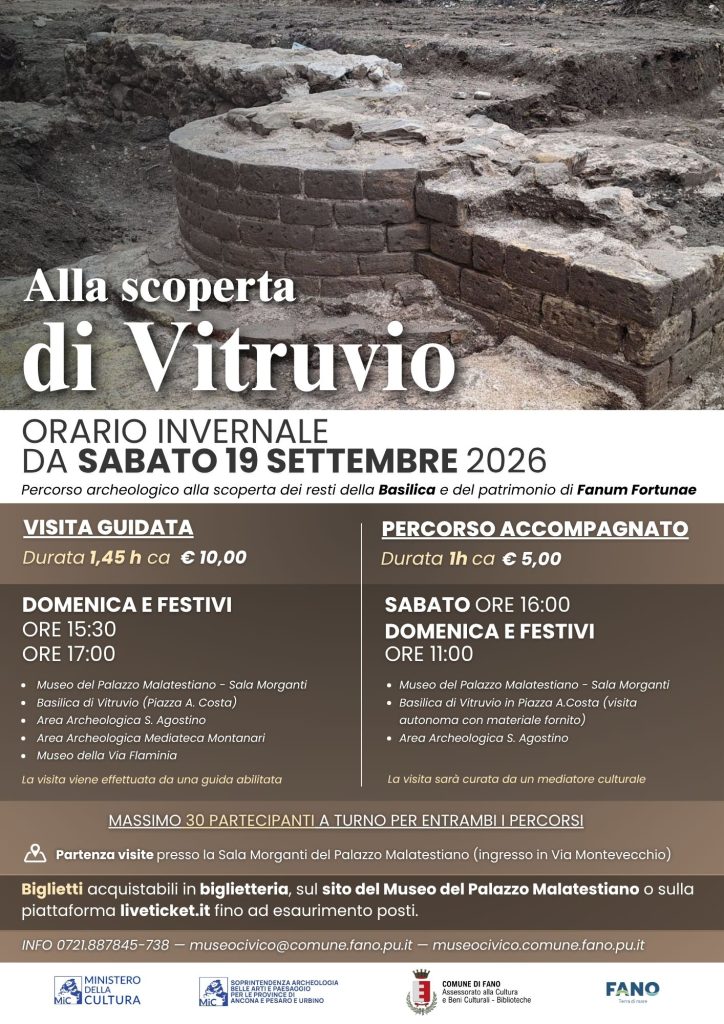
Fano, City of Vitruvius: Where Architecture Begins
The Basilica of Vitruvius: From “Myth” to Discovery in the Heart of the Historic Center
There are, however,
basilicas that can stand comparison in dignity and beauty,
such as the one in the Julian colony of Fano,
which I designed myself and whose construction I supervised.
(Vitr. V, 1, 6)
Fano, ancient Fanum Fortunae, is closely linked to Marcus Vitruvius Pollio, author of De Architectura, the treatise that shaped architectural thought in the Western world for centuries. Here, the idea of “building well” becomes a story to experience while walking through the city: streets that follow the Roman layout, monumental gates, sections of ancient walls, and squares that preserve the rhythm of the ancient town. Vitruvius summed up the perfect design in three principles—firmitas, utilitas, venustas: strength, function, and beauty. In Fano, these concepts offer a new way to explore the city, through history, details, and unexpected wonders.
The Basilica of Vitruvius: A Discovery That Changes History
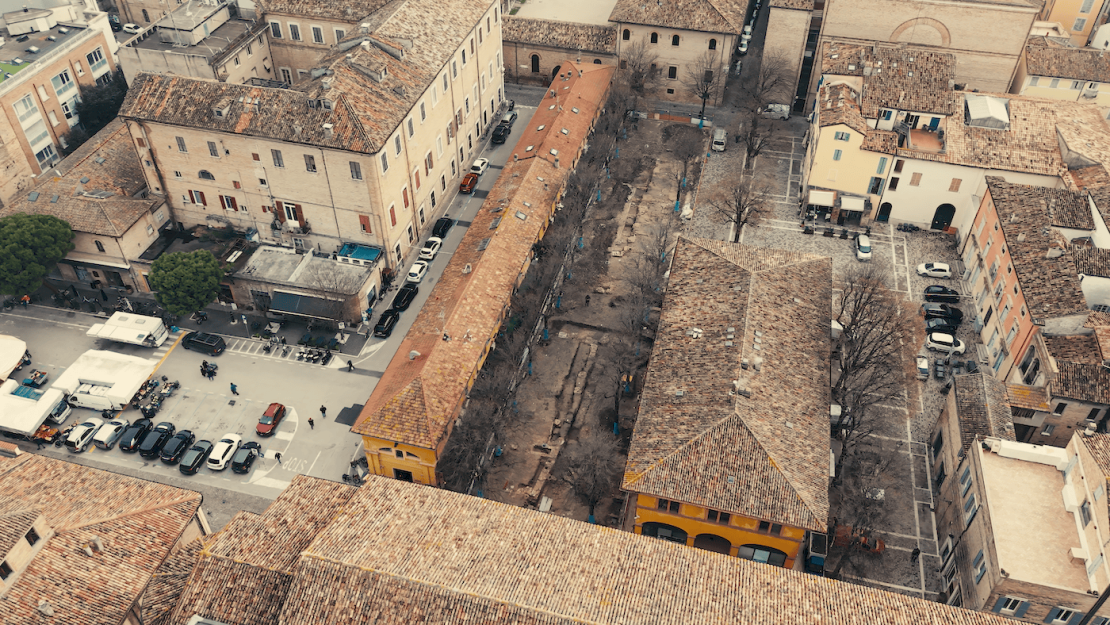
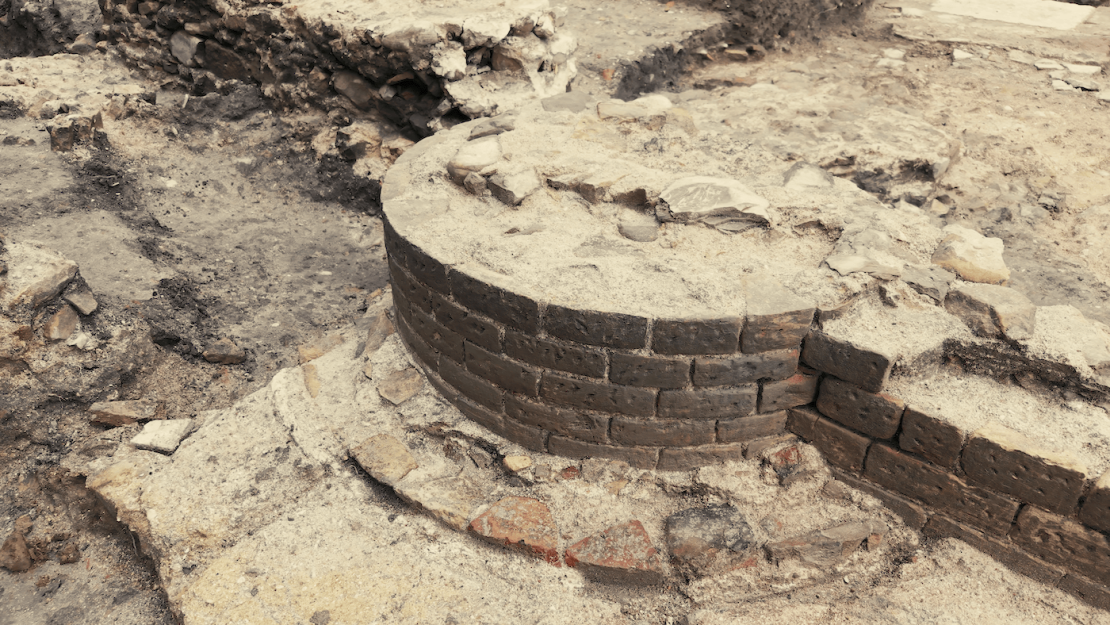
For centuries, the Basilica described by Vitruvius was sought by scholars as a “lost place” of antiquity. Today, Fano is at the center of international attention: excavations in Piazza Andrea Costa have brought to light remains attributed to the very basilica mentioned in De Architectura, a discovery considered crucial to the history of archaeology and Roman architecture. This moment strengthens Fano’s identity as the “City of Vitruvius” and opens up new perspectives for visitors: not simply monuments to photograph, but a living story shaped by research, layers of history, and a heritage to be enhanced for the future.
Piazza Andrea Costa is now the symbolic heart of “Vitruvian Fano.” Here, the great archaeological narrative connected to the basilica described in the treatise comes to life. It is a place that reveals how the Roman city still lies beneath our feet.
Discovering Vitruvius: Itineraries and Guided Tours